Uncategorized
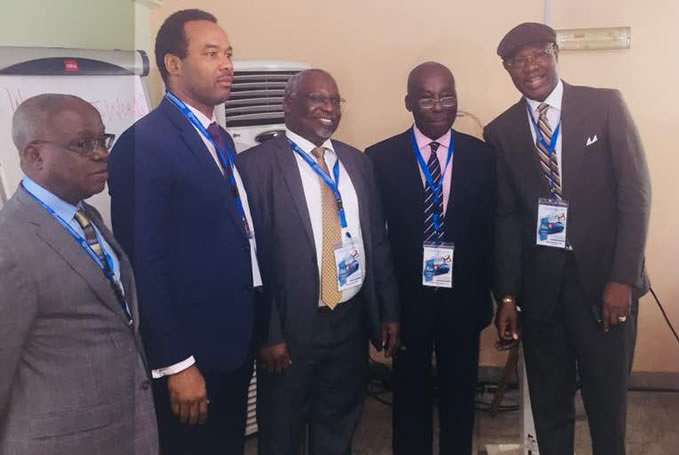
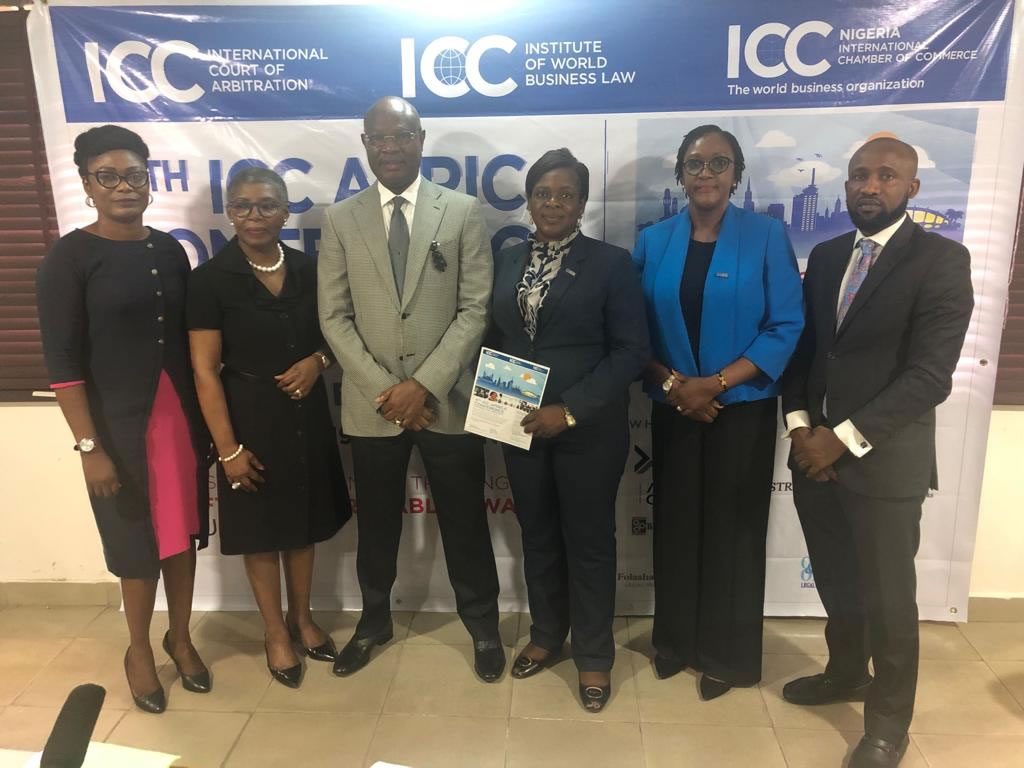
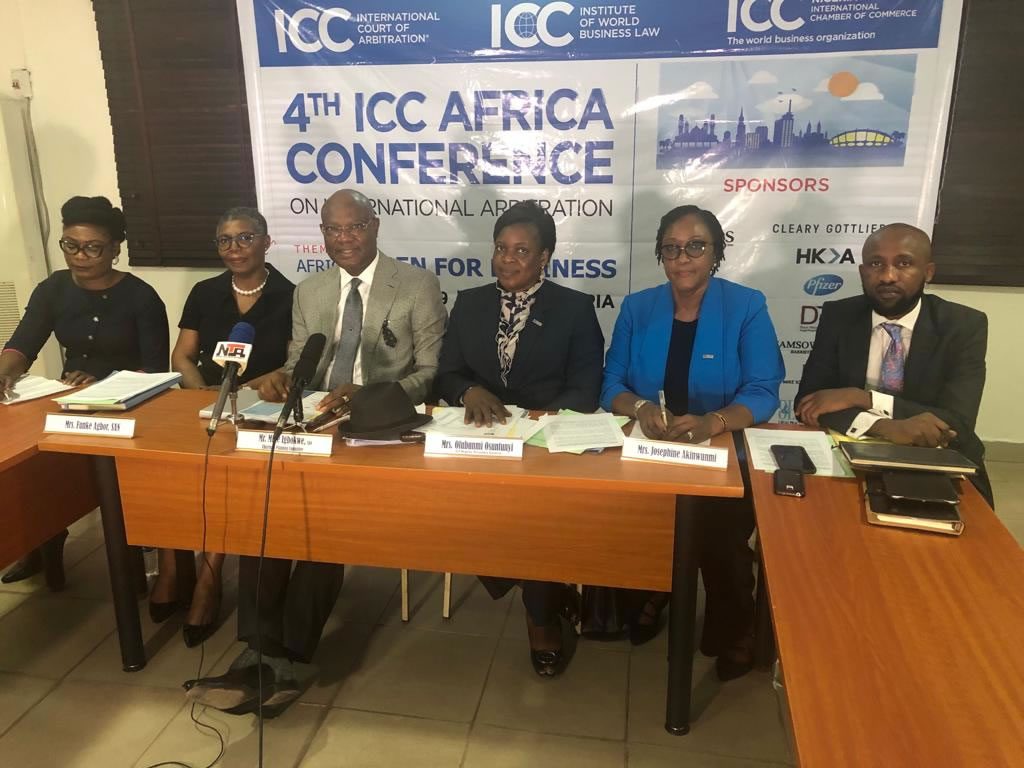
4th International Chamber of Commerce Africa Regional Arbitration Conference.
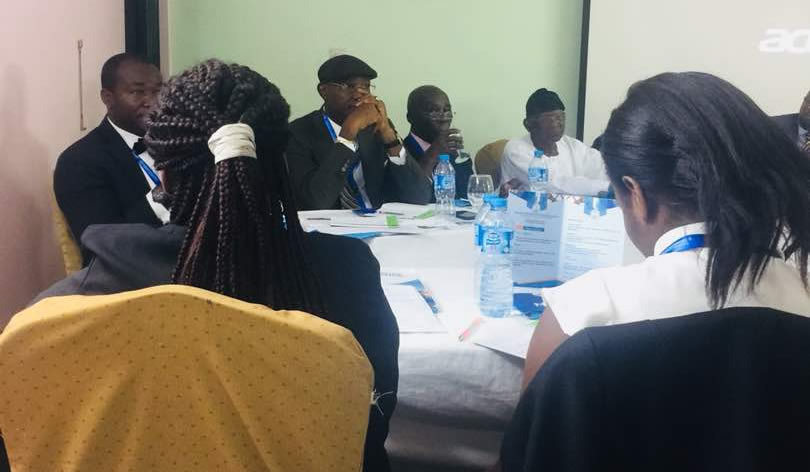
2019 AMCON Annual Seminar for its external Solicitors in Abuja.
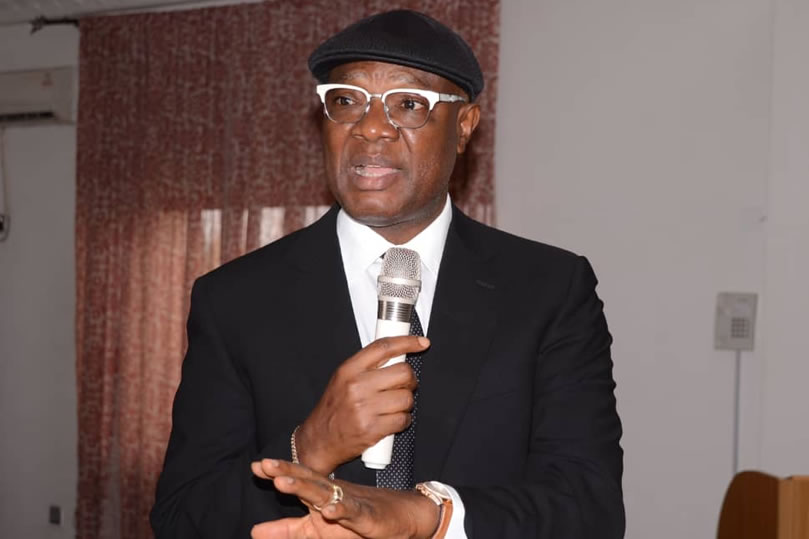
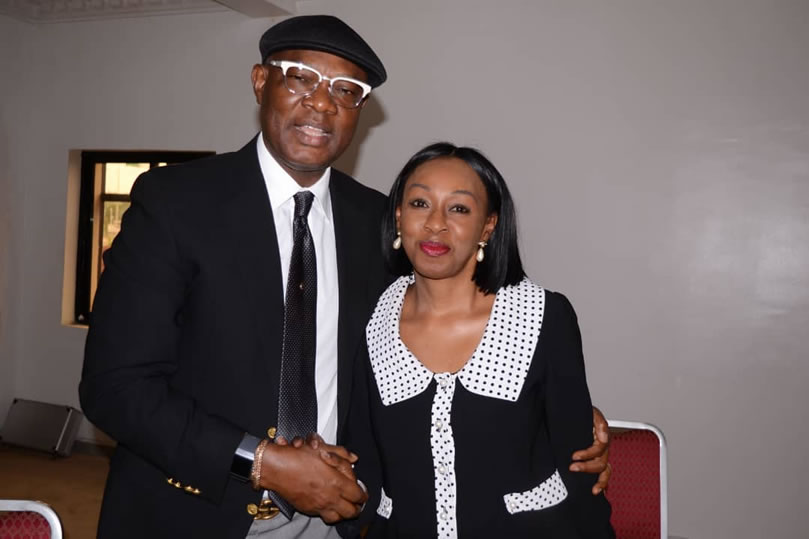
NIMASA Stakeholders meeting held on 10 March, 2019.
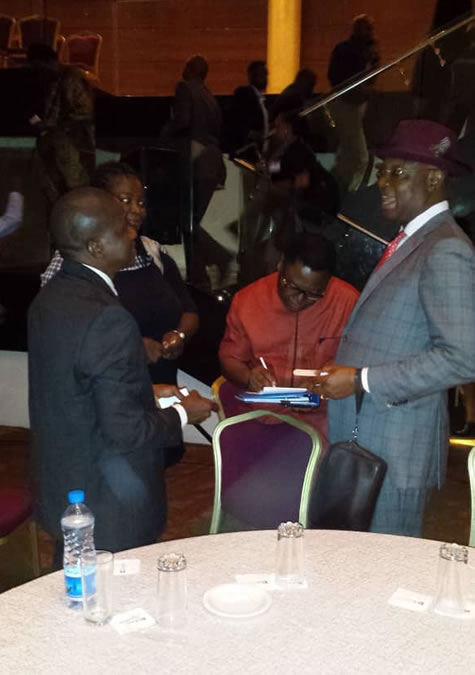

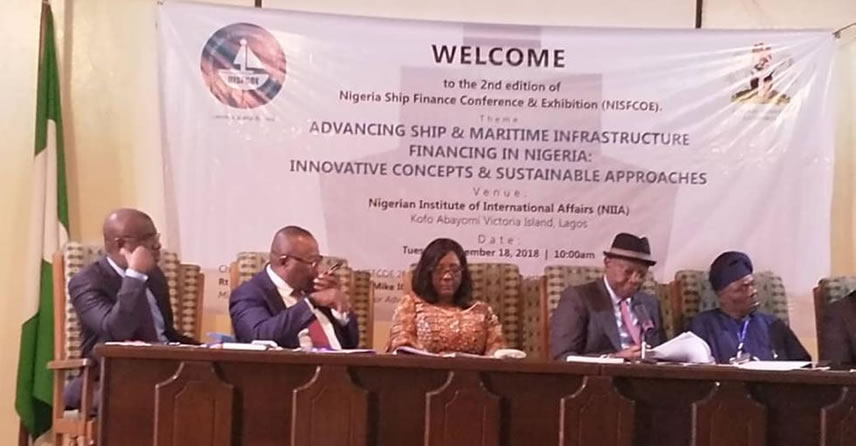
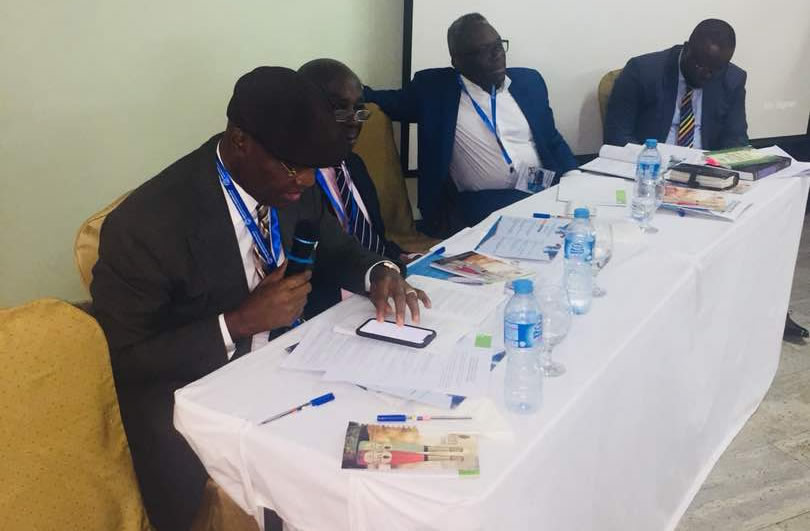
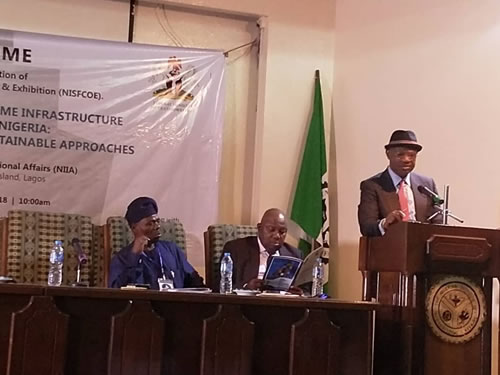
In pursuit of and contribution to shipping development, Mi’s Principal Counsel Mr. M.I. Igbokwe,SAN,FCIArb,FBR was the chairman of the 2nd Nigerian Ship Finance Conference and Exhibition (NIFCOE) with the theme ‘Advancing Ship & Maritime Infrastructure Financing in Nigeria: Innovative Concepts & Sustainable Approaches” that was held at the NIIA Victoria Island, Lagos on 18 December 2018.
In his opening remarks he recognises the importance of ships and shipping infrastructure to Nigerian economy in the transportation of goods and passengers, revenue, employment opportunities (to seafarers, surveyors, engineers, freight forwarders, agents, ship repairer’s, etc); revenue by way of tax on shipping companies, wages of crew, fees, levies and charges imposed by Government Agencies for shipping services. He also recognised the importance and effect of finance to ships, shipping and ships.
He said that shipping was capital intensive and cyclical and so many shipowners and operators relied on loans from banks and other financial institutions and Government-backed subsidies, guarantees and insurances to acquire ships and to survive. However, when the loans are hard because of stringent conditions, short term nature and high interest rates; they are beyond the reaches of operators and owners of ships: the ones that reach such loans soon fold up and prematurely die especially when they are unable to get contracts or cargo. To him, Nigerian banks are not capitalized enough to finance every type of vessel and their loans are short-term with interest rates that are too high.
He was of the view that the Federal Government of Nigeria did well and meant well by coming up with ship acquisition and ship building fund under the former National Shipping Policy Act and subsequently enacting laws such as the Cabotage Act 2013 to establish Cabotage Vessel Financing Fund (“CVFF”); CVFF Regulations and making provision for Maritime Fund in section 17 of the Nigerian Maritime Administration (“NIMASA”) Act to fill the gaps created in ship finance by the inability of Nigerian banks and other financial institutions to give long term loans with single digit interest rates to owners and operators of ships. He said in his book “Nigerian Maritime Cabotage Policy & Law: The case and advocacy”, he had pointed out the significance of ship finance to the local shipping industry. In particular CVFF was specially created to develop domestic shipping (cabotage) managed by NIMASA but actually based on what you could call private-public-partnership (“PPP”) because every owner of a vessel participating in cabotage pays 2% surcharge on any cabotage contract the vessel performs. S.17 NIMASA Act established Maritime Fund to further the objectives and functions of NIMASA and for Nigerians and Nigerian companies to promote the development of indigenous shipping and shipping infrastructure. He argued that the CVFF and Maritime Fund being statutory funds for specific purposes, by section 80 of the 1999 Constitution, they are not payable into the Consolidated Revenue Fund that is shared between the FGN and other States.
He regretted that since about 15 years ago that CVFF was created, no indigenous shipowner operating cabotage had benefitted from it because it had not been disbursed but had been in banks until recently moved to the Central Bank of Nigeria. He also lamented that since 2007 when NIMASA Act came into being, the statutory Maritime Fund had not been created. He was grieved by the fact that the domestic shipping industry which was deprived of access to and use of these funds for ships acquisition and shipping development, the shipping industry and economy, suffer due to the unpleasant situation because on the other hand foreign shipowners compete with Nigerian shipowners with their Government-backed subsidies and guarantees, long term loans with low interest rates.
He was however happy that the Director-General of NIMASA had been quoted the week before to have said at the Ship Owners Association of Nigeria conference that “Nimasa has identified lack of supportive institutional frameworks, neglected infrastructure as well as inadequate financing as major reasons Nigeria’s shipping potentials have not been fully exploited and maximized for the good of the economy. Rectifying these and other obstacles remain the magic wand needed to overcome the stunted growth the sector is presently saddled with.”
He gave kudos to Nigerian Content Development Monitoring Board for setting up in 2017, the $200m Nigerian Content Intervention Fund with Band Of Industry (BOI) for five areas including asset acquisition and loan financing with single digit interest rate of 8% while community contractor finance is 5%, a single obligor limit of up to $10m , up to 5 years tenor and mandating BOI to grow the Fund. It’s report indicated that over 20,000 ships were on Nigerian waters and had an annual expenditure of over $3m with potential for more.
Therefore, he called on the Federal Ministry of Transport and the FGN to hold the bulls by the horn and break the jinx surrounding the non-disbursement of the CVFF and disburse it for the statutory purposes it was created for. He said that there must be the political will and determination to do so because the National Assembly had had enacted the law to empower the executive arm of government to implement the CVFF. The time had come for the implementation so as to save domestic shipowners from going into extinction and depriving the Nigerian economy of the benefits of the maritime cabotage transport and the Cabotage Act.
He stated that there were are specialized banks set up for the development of specific sectors eg BOI for industries and The Infrastructure Bank Plc for funding commercially viable projects that have significant developmental impact. He the called for the establishment of a Maritime Bank with long term and less than 10 per cent interest rate specifically for financing ship acquisition for viable projects or business, and shipping infrastructure finance and for project-based and business based coastal ships. He said that based on section 23 NIMASA Act, empowering it to join in the formation of companies and to enter into partnerships, NIMASA could join hands with the private sector in the formation of such maritime bank. What NCDB had done with BOI in giving loan at 8 per cent shows it is doable by NIMASA.
He also said that the FGN should also consider giving FGN-backed guarantees or insurance to foreign loans obtained by Nigerians for ships and shipping infrastructure as is done in the USA.
Before ending his remarks, he gave a note of warning: Acquisition of ships without cargo support was worthless. Cargo support to indigenous shipowners through NNPC crude lifting and FOB trade terms which had for long been said to be the major reason for Nigerians not lifting its crude as is Malaysia and Brazil, appear to be lingering for too long without solution. But it will aid shipping development in Nigeria if resolved.
He then suggested that to ensure that the conference would not be one of those conferences for talking and not acting, a special task force made up of relevant key stakeholders should be set up to drive and implement the communique of the conference.
The task force was set up at the end of the conference.
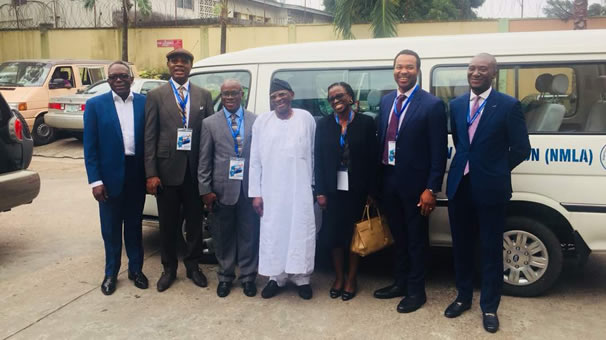
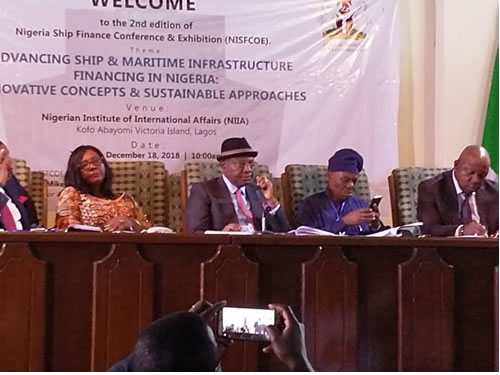
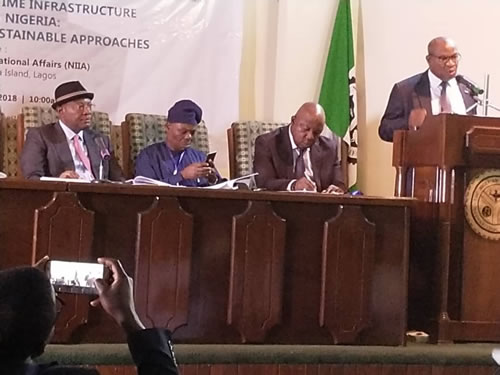
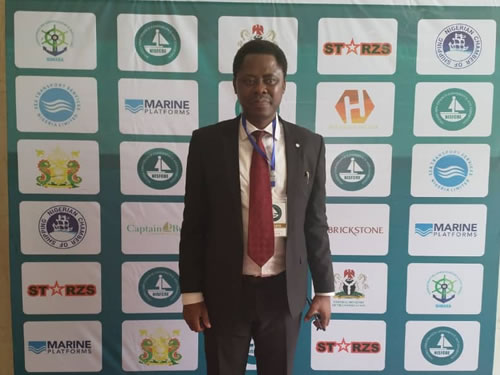
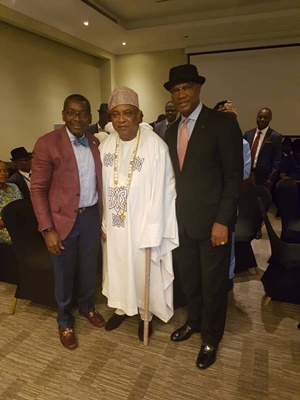
Photographs of some of the important personalities in the shipping industry that grace the occasion are:
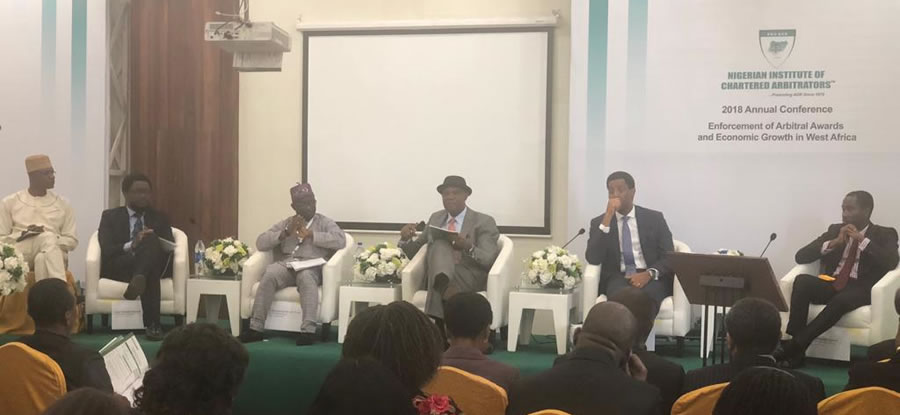
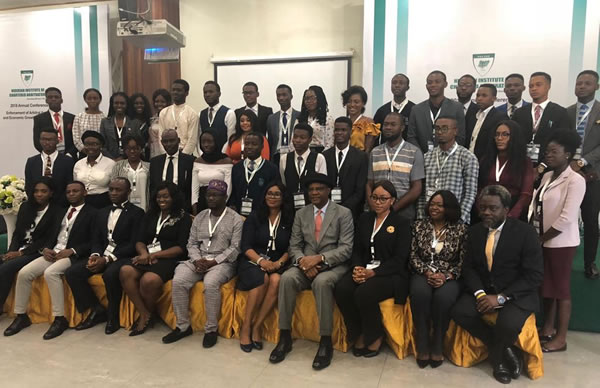
2018 Annual Conference of the Nigerian Institute of Chartered Arbitrators held on 24-25 October, 2018 at Oriental Hotel, Victoria Island, Lagos.
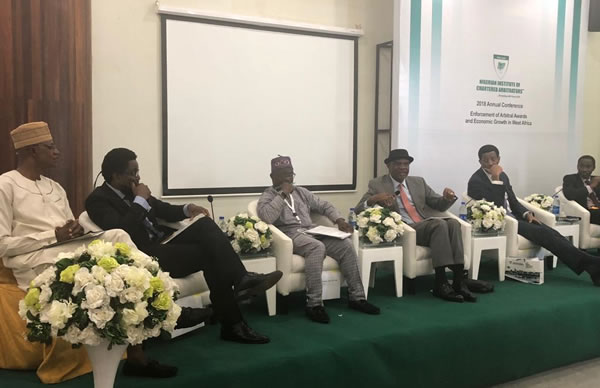
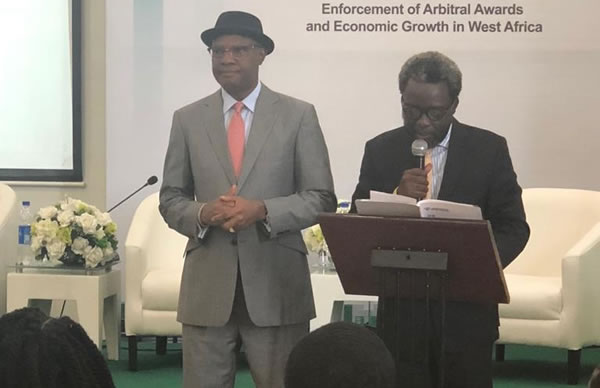
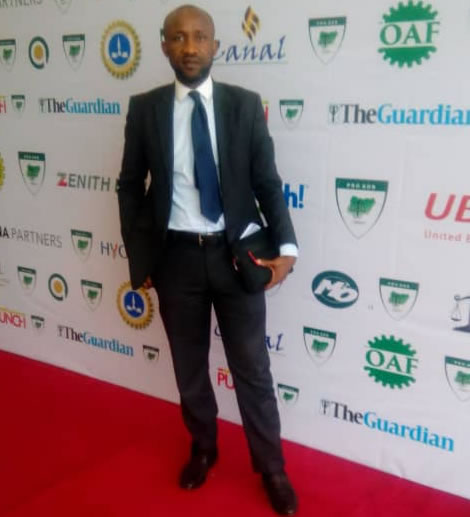
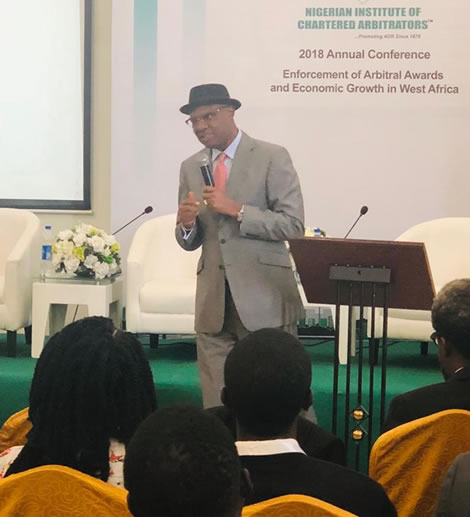
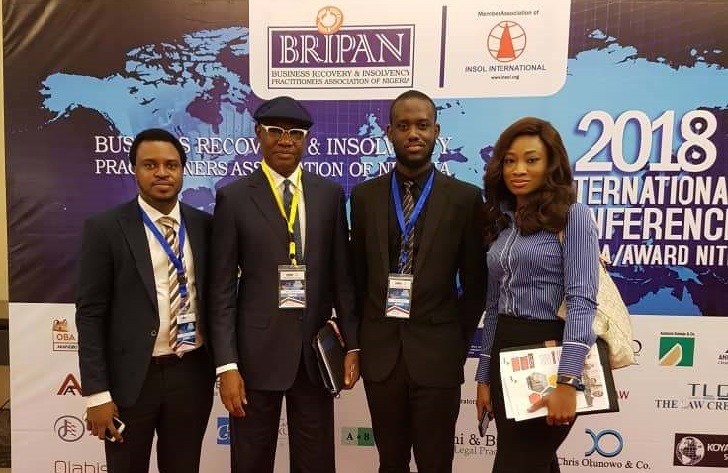
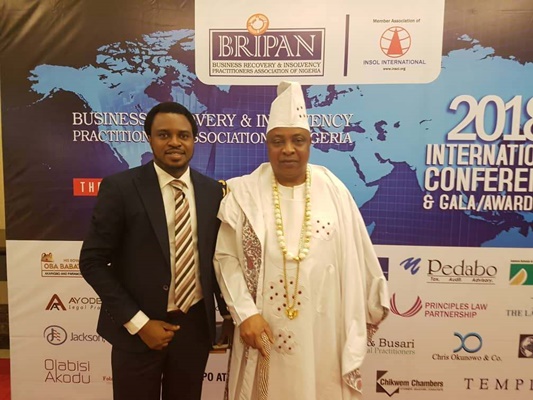
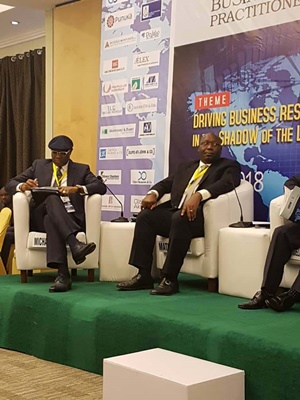
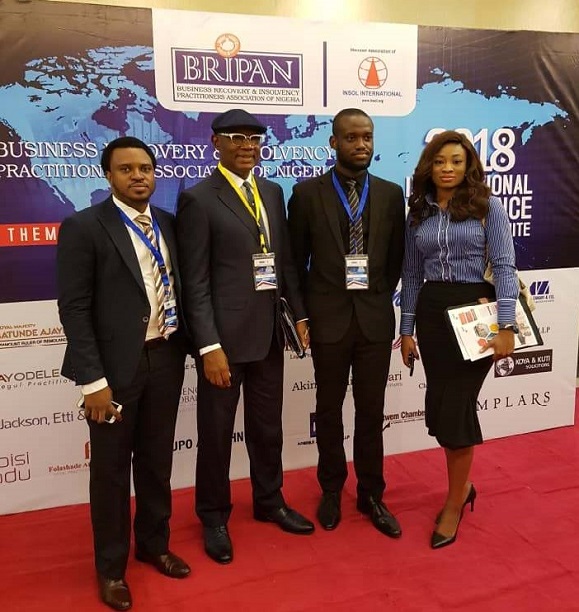
At the just concluded BRIPAN INTERNATIONAL CONFERENCE 2018, our Principal Counsel Mr Mike Igbokwe SAN, FCIArb, FBR was a panelist in one of the sessions at day 1 of the event on 27 September, 2018.
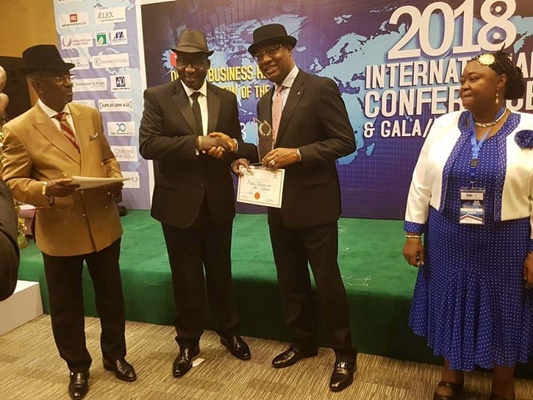
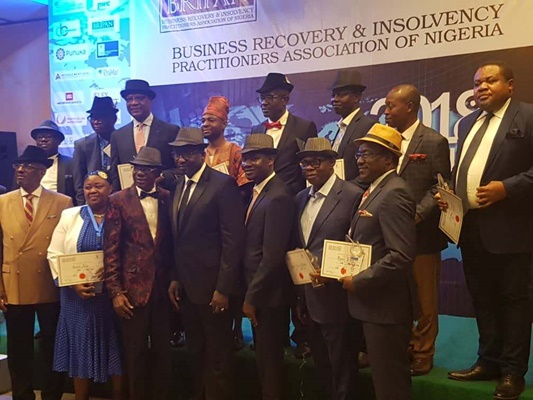
On 28 September, 2018 (day 2 of the conference), Mr. Mike Igbokwe SAN, FCIArb, FBR and 10 other qualified Associates of BRIPAN were bestowed with BRIPAN Fellowship Award and Certificate (FBR).
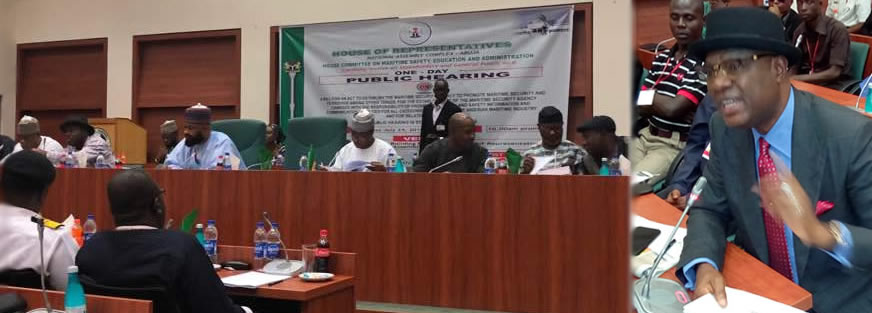
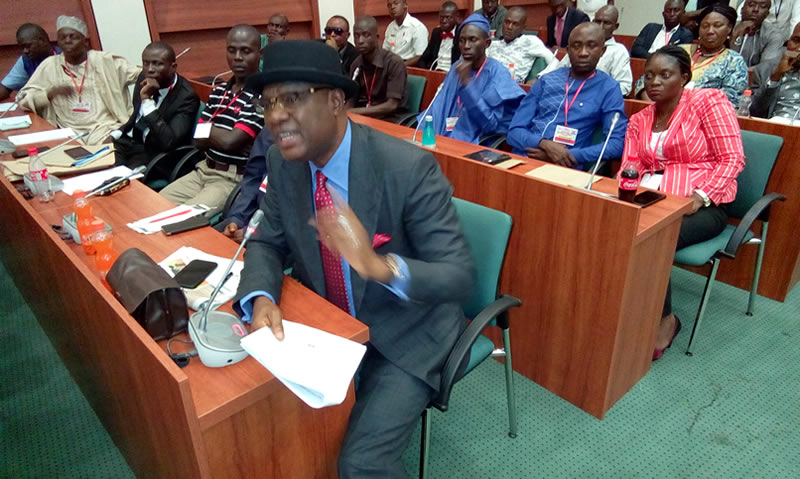
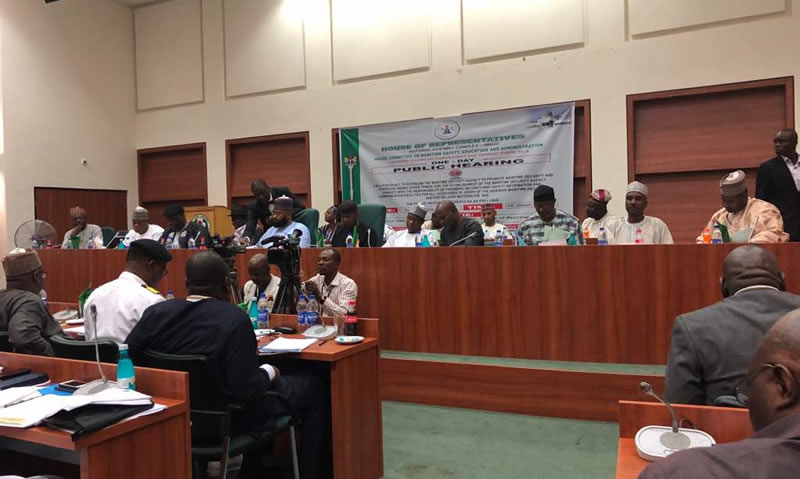
At The Public Hearing held by the House Committee on Maritime safety Education and Administration at the National Assembly On 24 July 2018. Our Principal Counsel, Mr. Mike Igbokwe (SAN) FCIArb spoke on why the Maritime Security Agency (Establishment etc) Bill 2017 should not be passed into Law.
He gave the following reasons for the position he took namely:-
-
Wrongful creation of duplication and multiplicity of Government Agencies, functions and costs.
-
Escalation of Administrative costs/Waste and harm to the Economy recovering from Recession.
-
Increased Cost of Shipping Services that will adversely affect the Nigerian Economy.
-
The Bill is an aberration to the Nigerian Maritime Industry.
-
The Bill is a deviation from the Maritime Stakeholders’ Recommendations at the International Conference on Piracy and Armed Robbery at Sea, Abuja, 2008.
-
Bill is Not IMO-Compliant.
-
Avoidable Conflicts, Uncertainty and Absurdity in applicable laws
In conclusion he asserted that "bearing in mind the above-stated grave implications of the Bill, I appeal to the Honourable members of the House not to pass it into an Act.
Rather than be taking away or duplicating the powers, functions and objectives of NIMASA under the supervision of the Federal Ministry of Transport, NIMASA and other security agencies with which it would collaborate in ensuring maritime security, should be strengthened capacity-wise and funding-wise etc. The Bill would create more problems for the maritime industry, economy and Nigerian masses than it gives the impression it wants to solve, as pointed out above."
Click the link below to Download Paper

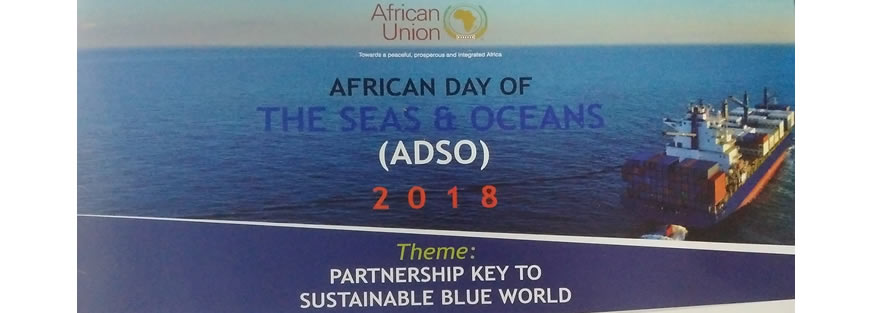
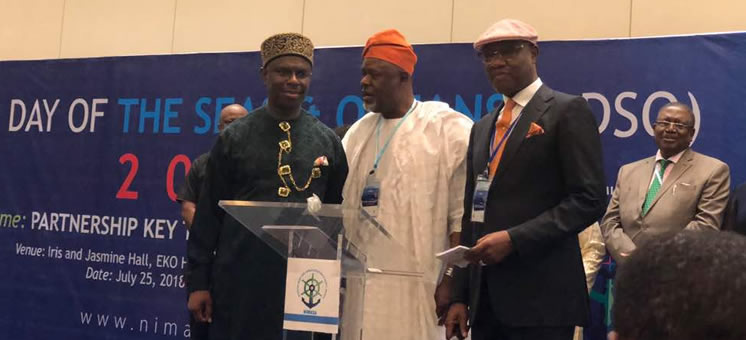
On 25 July 2018, our Principal Counsel, Mr. Mike Igbokwe, SAN,FCIArb; was at the African Day of the Seas and Oceans (ADSO) 2018 Event organised by Nigerian Maritime Administration and Safety Agency (NIMASA), at Eko Hotels, Victoria Island, Lagos, where he inaugurated the ‘Partnership Committee for the Implementation of Sustainable Blue Economy in Nigeria’ established by NIMASA, to inter alia drive sustainable Blue Economy in Nigeria.
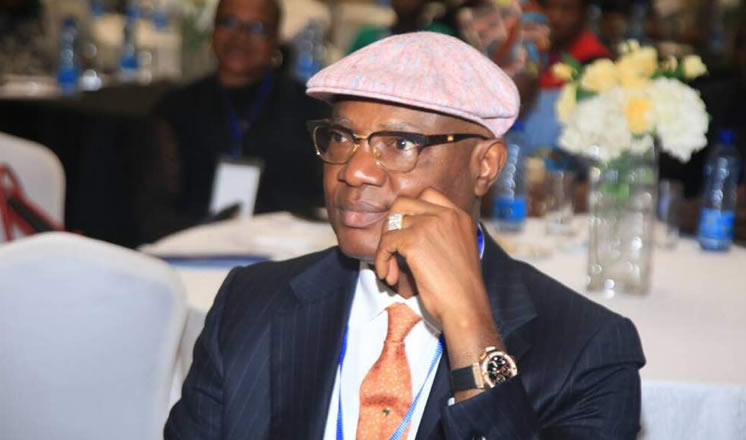
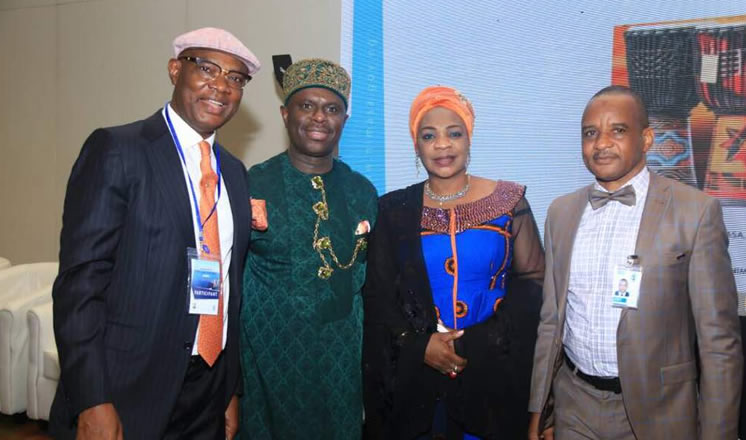
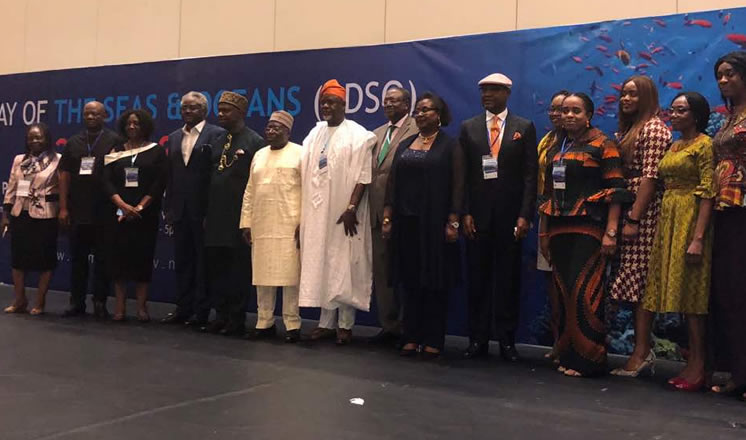
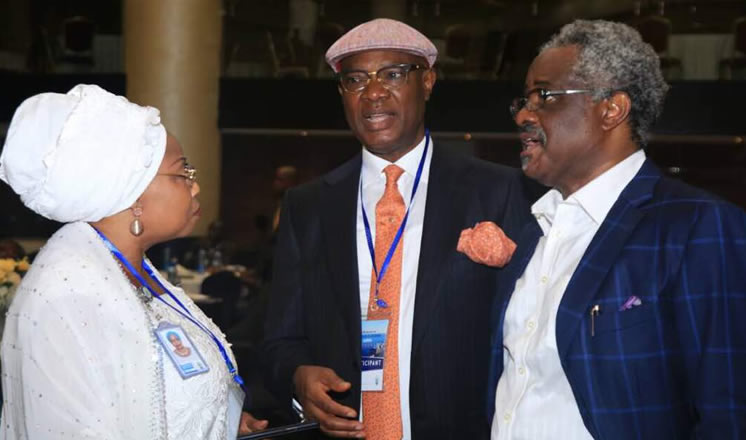
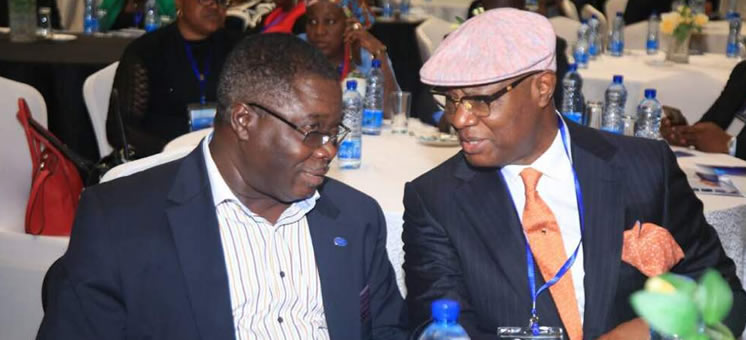
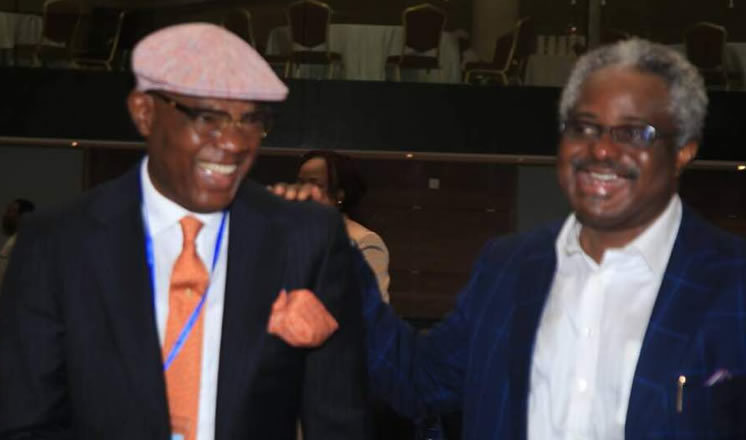
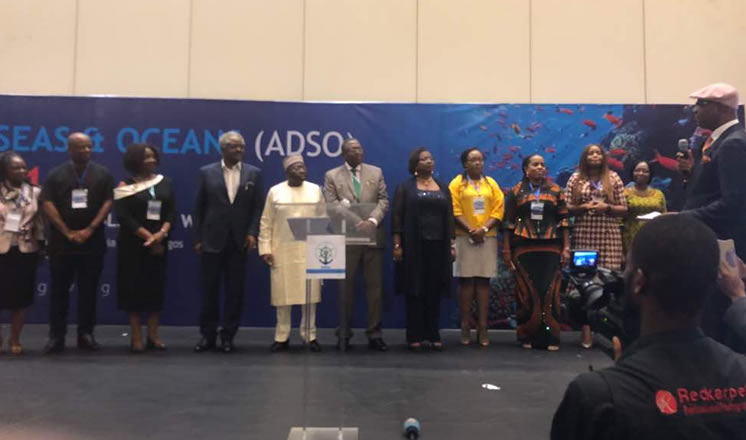
On 19 July 2018, our Principal Counsel Mr. Mike Igbokwe, SAN, FCIArb; was one of the discussants of the paper titled ‘Maritime Labour, Admiralty Jurisdiction and the Constitution’ presented at the 8th Annual One Day Maritime Seminar of the Nigerian Maritime Law Association held at Colonades Hotel, Ikoyi, Lagos. Here are some of the photographs taken at the event.